Savor the Flavor: Easy Mexican Rice Recipe You’ll Love
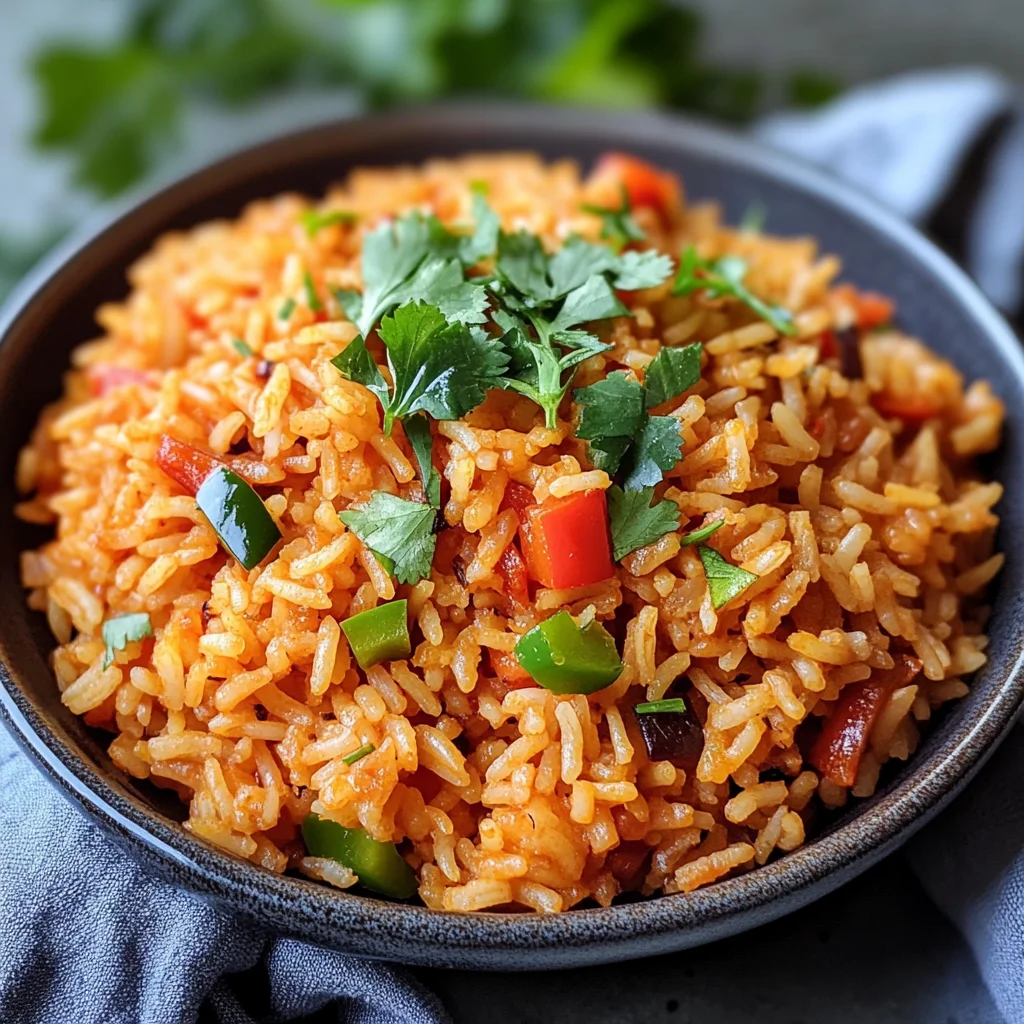
Savor the Flavor: Easy Mexican Rice Recipe You’ll Love is a delightful dish that brings vibrant colors and rich tastes to your table. This recipe is perfect for any occasion, …
Savor the Flavor: Easy Mexican Rice Recipe You’ll Love is a delightful dish that brings vibrant colors and rich tastes to your table. This recipe is perfect for any occasion, …
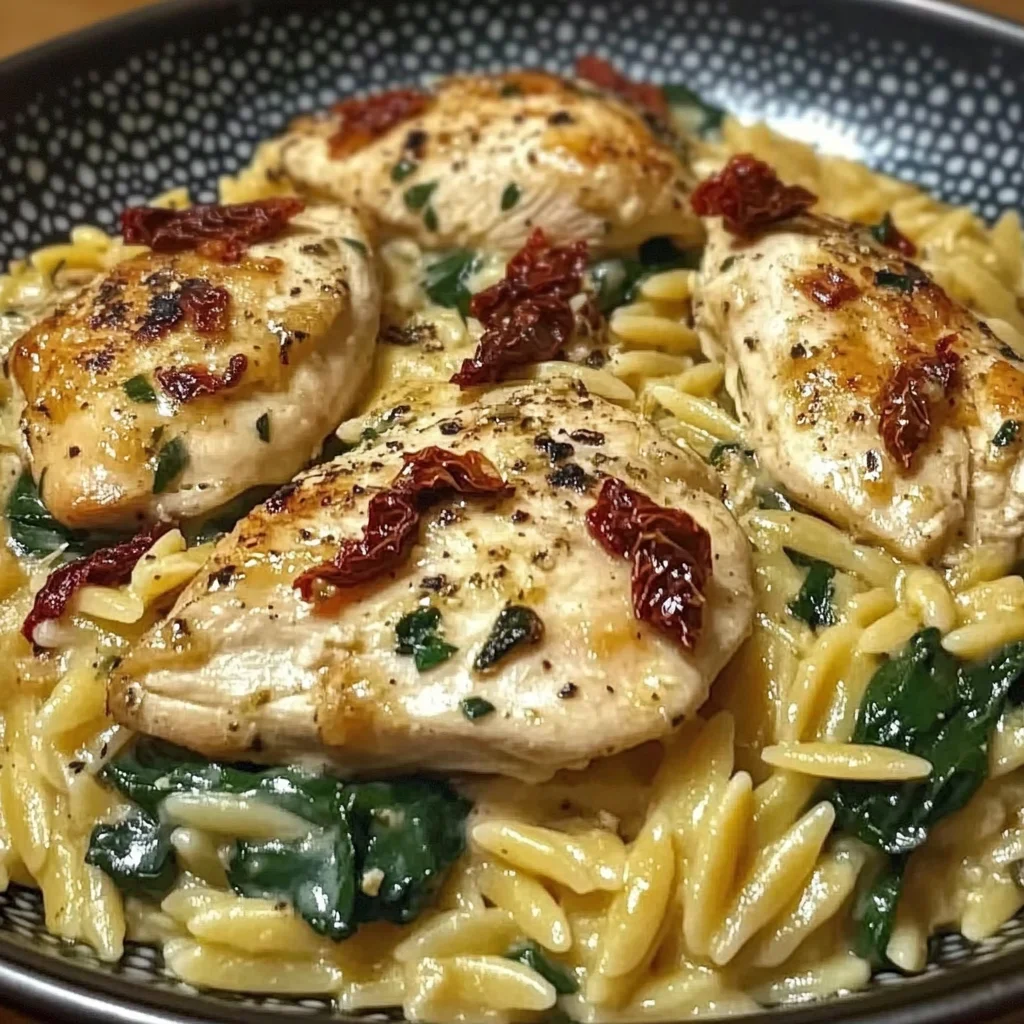
Indulge in Creamy Orzo with Chicken for a Cozy Dinner Delight is the perfect meal for any occasion. This comforting dish combines tender chicken, creamy orzo, and vibrant vegetables to …
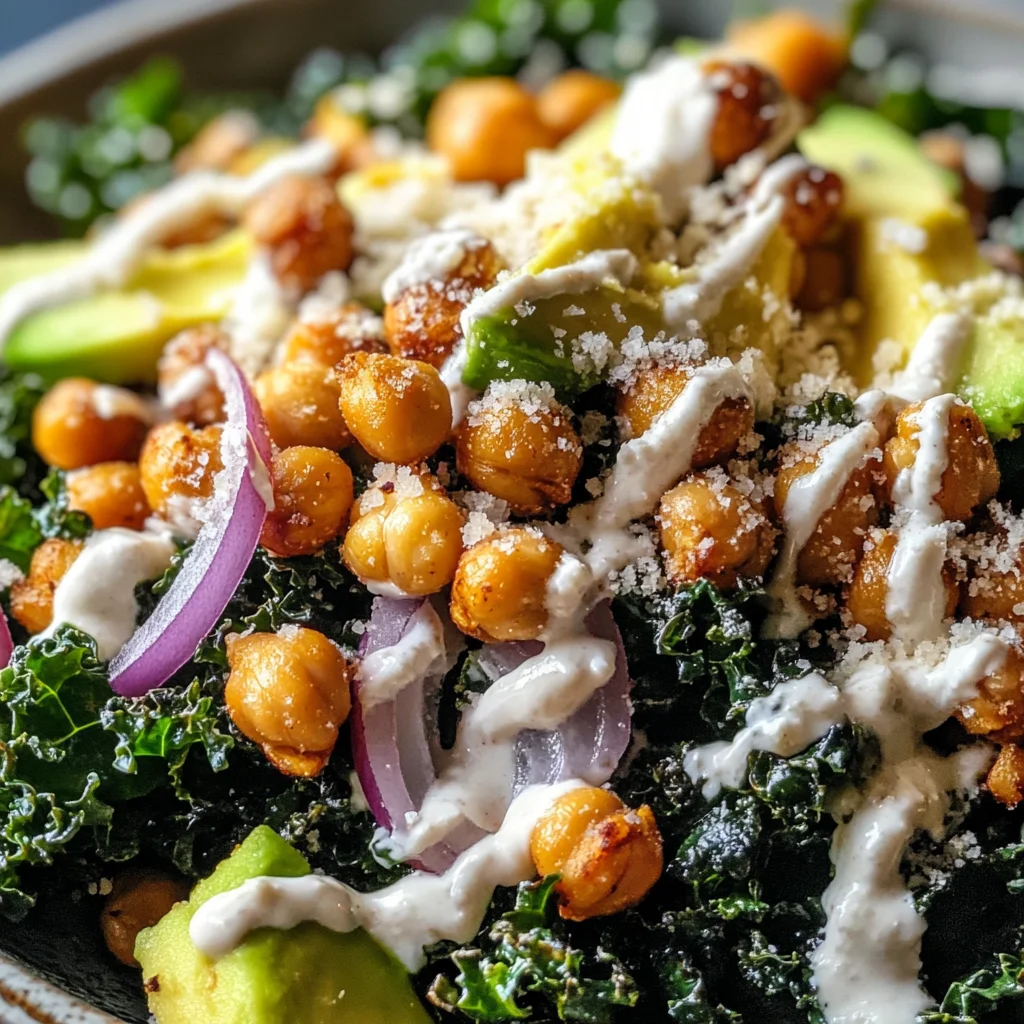
The Perfect Crunchy Kale Caesar Salad With Bold Homemade Dressing is a delightful and healthy twist on a classic favorite. This salad brings together the crispiness of kale and romaine …
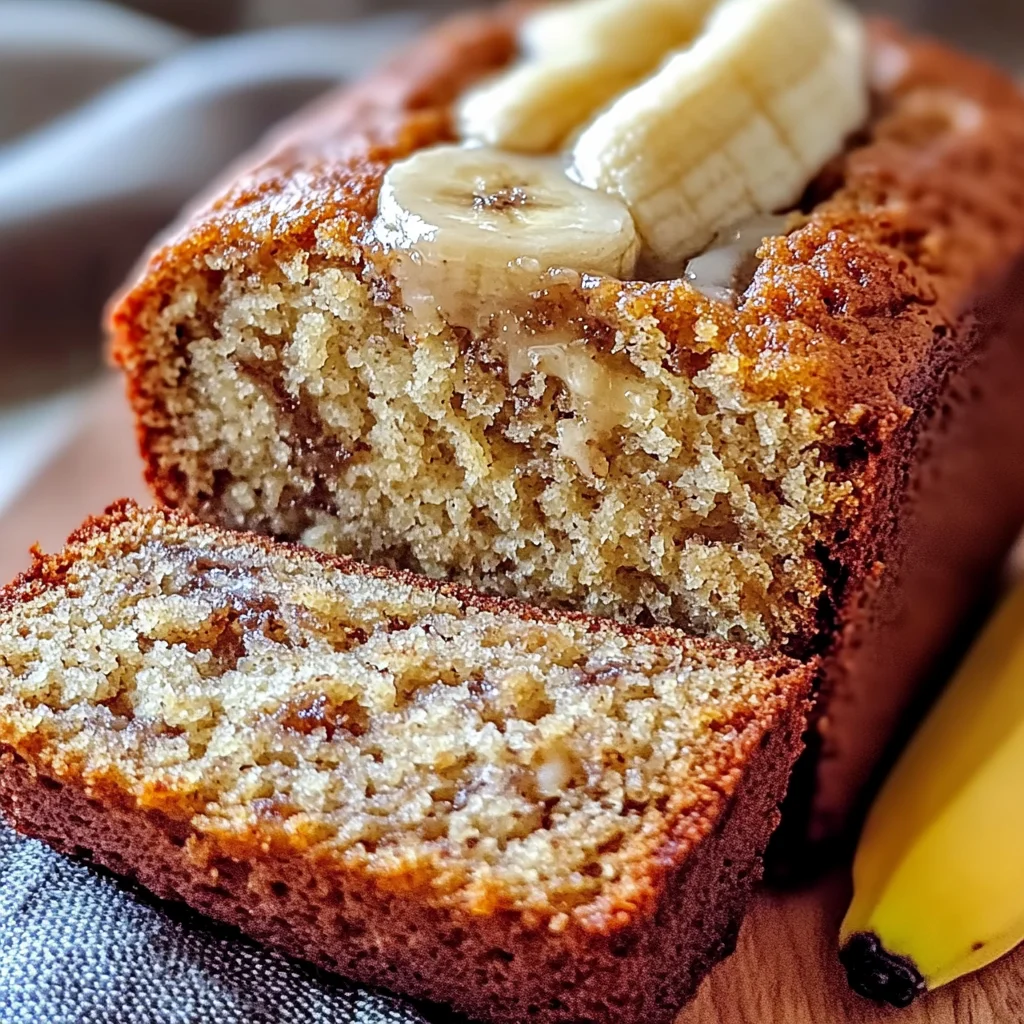
Moist Banana Bread Recipe That Melts in Your Mouth Today is a delightful treat that suits any occasion, from cozy family breakfasts to festive gatherings. This recipe stands out for …

Bright and zesty, Blueberry Lemonade Macarons are a delightful treat that combines the sweet flavor of blueberries with the refreshing zing of lemon. These elegant French macarons are perfect for …

Tasty Smash Burger Tacos bring together the best of two worlds—burgers and tacos—in one delightful dish. Perfect for casual gatherings, family dinners, or game nights, these tacos are not only …

These Cod Fish Tacos are not only delicious but also perfect for any occasion, whether it’s a quick weeknight meal or a fun gathering with friends. The combination of flaky …
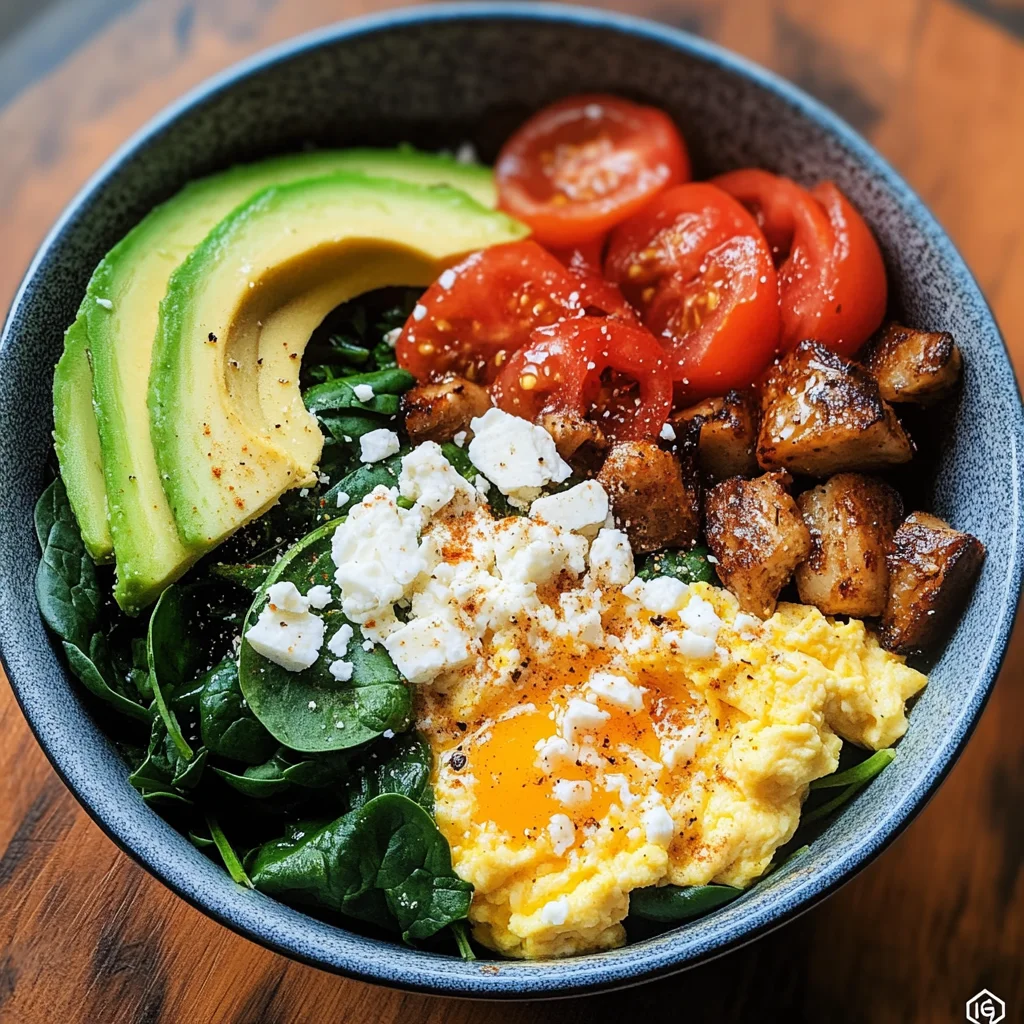
How to Get 30 Grams of Protein at Breakfast (15 Easy Ideas) is a fantastic way to kickstart your day with a protein-packed meal. Perfect for busy mornings or leisurely …
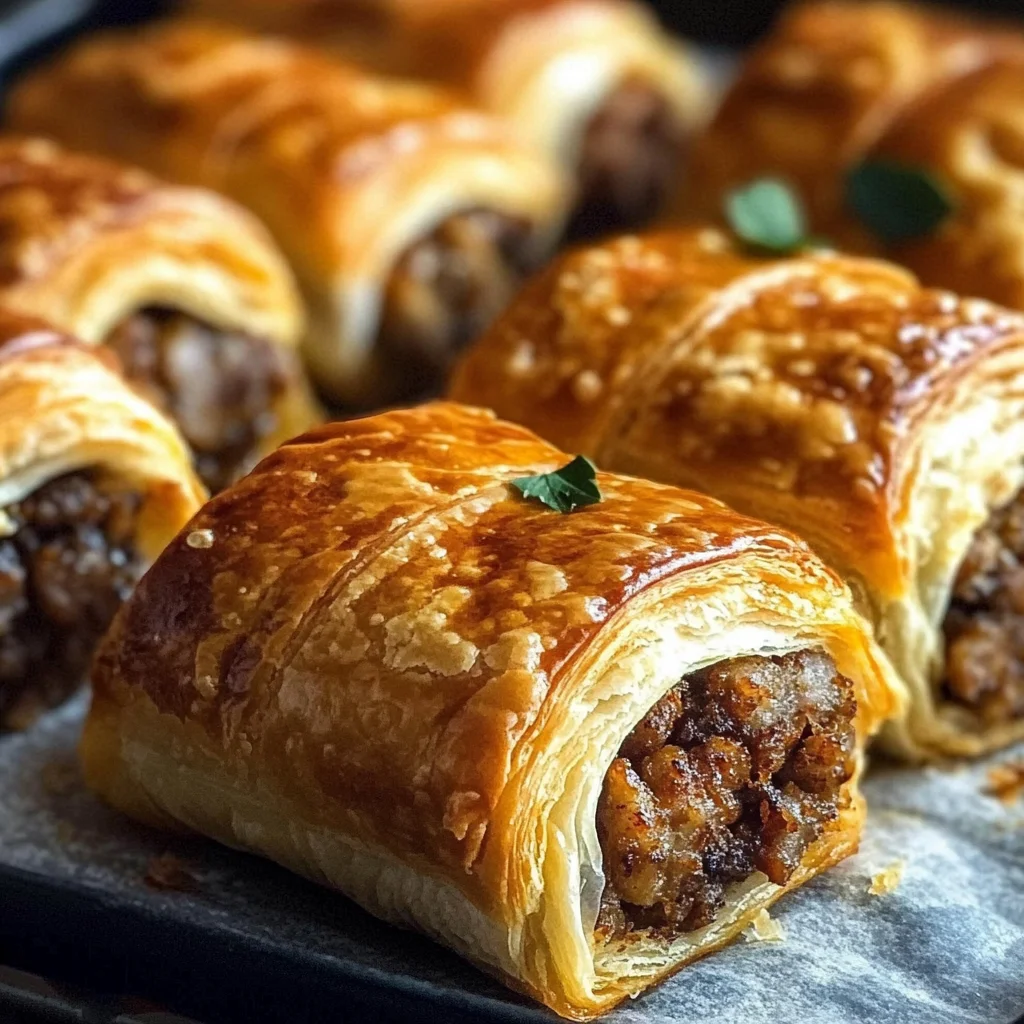
Creating Matt Preston’s Bakery-Style Sausage Rolls: An Amazing Ultimate Recipe is a delightful experience that brings the comforting flavors of homemade pastries to your kitchen. These sausage rolls are perfect …
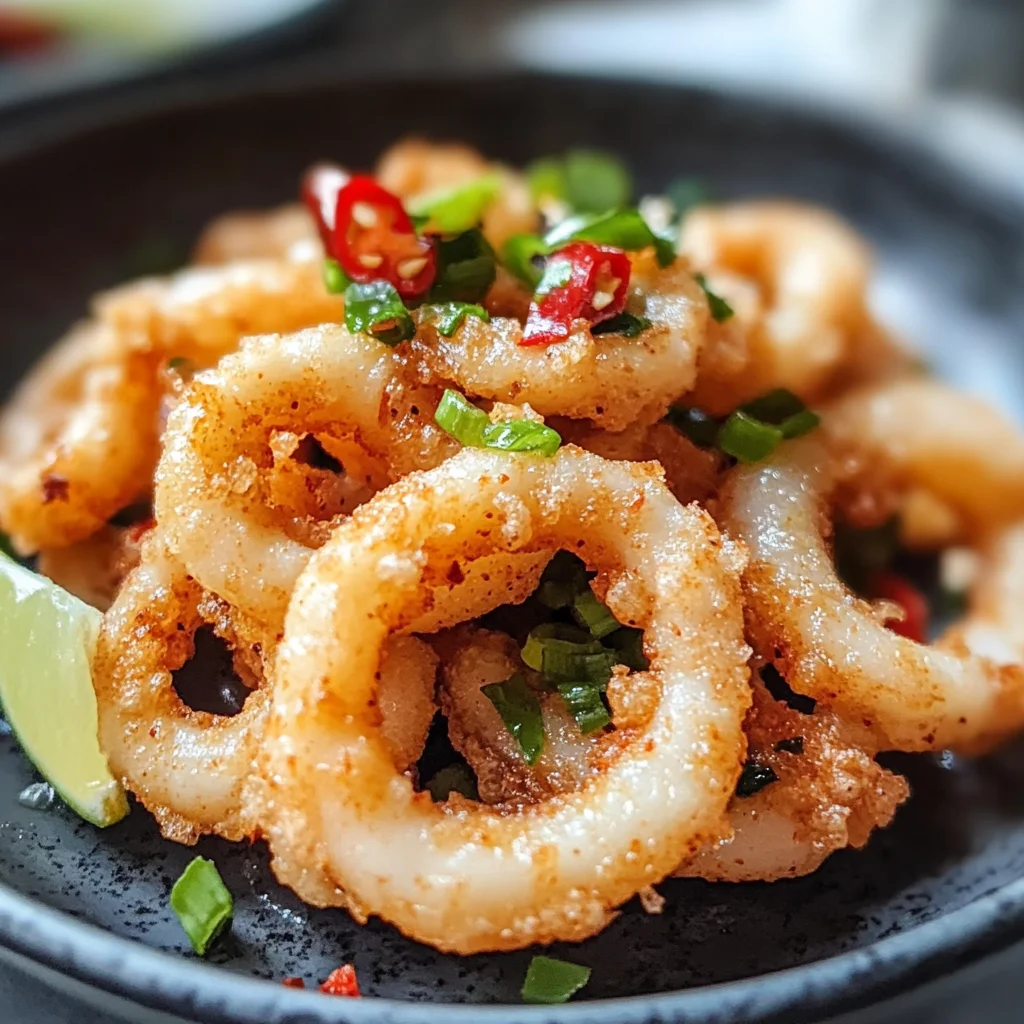
Experience the delightful crunch of Crispy Salt and Pepper Squid Recipe You’ll Love at Home! This dish is perfect for various occasions, from casual gatherings to elegant dinners. It’s quick …